
Discover usage-based coverage, how it calculates premiums from driving habits, potential savings, and whether it fits your needs versus traditional auto insurance.
Defining Usage-Based Coverage (UBI)
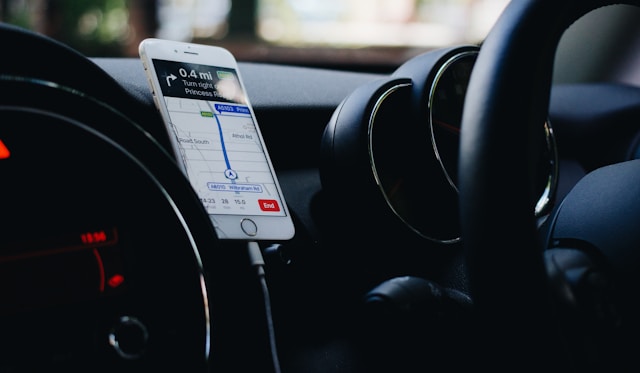
Usage-based insurance or usage-based coverage is a form of auto insurance where premiums are calculated by using real-time data about driving. This information is collected through telematics devices or mobile applications that monitor such behaviors as mileage, speed, braking, and time of day.
The Rise of Smart Insurance Technology
Telematics and connected cars have further enhanced, which has increased the popularity of this kind of coverage. UBI programs have become available at very low prices in large numbers as most insurers strive to attract cost-conscious drivers who demand individualized rates according to real-world driving practices.

Different Types of Usage-Based Insurance Models
Pay-As-You-Drive (PAYD) Model
Under PAYD programs, the amount of your insurance bill is based mostly on the number of miles you cover. The fewer miles you drive, the less you pay. This is the perfect solution for those who hardly drive.
Pay-How-You-Drive (PHYD) Model
PHYD programs take into consideration distance and driving behavior. The actions of smooth acceleration, gentle braking, and controllable speed can all help you get a reduced premium.
Manage-How-You-Drive (MHYD) Programs
These superior systems give real-time feedback to enable your driving to get better. Others may also incorporate gamified and challenges to promote safer driving behavior.
Pros of Usage-Based Car Insurance
1. Fairer Pricing Based on Actual Usage
Usage-based insurance will allow drivers to pay based on the miles and safety of their driving and make sure that their premium plans capture the actual risk rather than averages, making it easier to charge responsible drivers a fair price.
2. Encourages Safer Driving
Tracking driving habits is one of the incentives that usage-based coverage gives for safer driving. Fewer accidents of speeding, the ability to brake more smoothly, and safe acceleration will result in reduced premiums and the general safety of the road.
3. Flexibility in Coverage
Policies related to usage tend to be customizable, e.g., the selection of levels of mileage or tracking. This facility enables the drivers to adjust the insurance costs according to their habits, timings, and driving needs.
4. Potential Savings for Low-Mileage Drivers
Motorists who drive to short destinations or have their vehicles only occasionally can save a lot. Usage-based insurance is also affordable to infrequent drivers since they pay less due to low risk.
Disadvantages Of Usage-Based Insurance
It’s Too Sensitive!
There are minor errors or abnormal driving habits that could be punished using usage-based insurance. The system is over-sensitive since even trips in risky regions or a few cases of speeding can attract high premiums.
Privacy Concerns
Constant monitoring of whereabouts, speed, and driving patterns is a cause of privacy concern. Not all drivers will be comfortable providing insurers with all the personal information about them, even though this results in a reduced premium.
The Hassle
The implementation and servicing of telematics gadgets or applications may be cumbersome. Drivers should check that devices are properly functioning, software is up-to-date, and, in some cases, data reporting, which is an additional burden.
Major Insurance Providers Offering Usage-Based Coverage
1. Snapshot by Progressive
Snapshot is a product offered by Progressive that tracks driving habits with a plug-in device or a mobile application and rewards safe habits.
2. Drivewise by Allstate
Allstate Drivewise is an opportunity to receive up to 40% of savings when driving safely and regularly, and provides immediate feedback via the app.
3. SmartRide by Nationwide
The SmartRide program offered by Nationwide gives an introductory discount of 10% on the first enrolment, and a maximum of 40% on cautious drivers.
Should You Choose Usage-Based Coverage?
The selection of the pay-as-you-go policy is determined by the driver’s living habits, the readiness to keep track of his/her driving, and the search for cheaper car insurance. UBI can make sense in case you drive safely, mainly in low-risk periods, and would like to have a policy that is based on your actual risk. Conversely, when privacy or driving in a risky environment is important to you or when you frequently use it, the conventional insurance might be less challenging and less stressful.
Potential Drawbacks and Limitations
1. Privacy and Data Security Issues
GPS tracking can be creepy even with the encryption. You should always check the policies of your insurer regarding the sharing of data when joining.
2. Limited Availability or Eligibility
UBI programs are not provided in all states and on all vehicles. Older vehicles like classic cars might be void of OBD-II ports that will be important in data monitoring.
3. Variable Costs and Unpredictability
The rate might change each month depending on how you drive, and this can be uncomfortable for those who would like to know the amount they are going to pay each month.
Comparing Usage-Based vs. Traditional Insurance
| Factor | Usage-Based Insurance | Traditional Insurance |
| Pricing Model | Based on behavior and mileage | Based on demographics and history |
| Flexibility | Adjustable, real-time | Fixed annual premiums |
| Transparency | Data-driven insights | Static, less personalized |
| Savings Potential | 10–30% for safe drivers | Limited |
Who Should Consider Usage-Based Coverage
The usage-based insurance best fits:
- Low-mileage drivers: When you do not travel much in case of driving a car and you also drive only in short-distance commutes, then usage-based insurance may reward your minimal use of a car by saving you on the premiums, and can also charge you more accurately.
- Safe drivers: The perfect drivers to be included in the usage-based coverage are the ones who obey traffic regulations, do not exceed speed limits, and drive defensively, as insurers tend to give discounts to responsible drivers with low risks.
- Tech-savvy users: Individuals who are used to operating smartphones or telematics gadgets to monitor driving information will enjoy the usage-based insurance since one has to observe and report their habits to determine individualized premiums.
- Young drivers: The teens or novice drivers who have already shown good driving patterns over time can use the usage-based insurance as a tool to pay less premium than what inexperienced drivers have to pay.
FAQs
1. Is usage-based coverage available for all vehicles?
No, not all vehicles qualify. Usage-based coverage most often needs modern cars that have OBD-II ports or Bluetooth connections, neither of which may be present in older or specialty cars, which would prevent them from tracking their usage.
2. Is UBI suitable for family vehicles?
Yes, UBI may be effective in family cars. It tracks the behavior of collective driving, contributes to more responsible habits, and may save possible discounts in case all members of the family adhere to the same responsible patterns of driving.
Conclusion
Usage-based coverage provides customized insurance that appreciates low-mileage, safe, and tech-savvy drivers. Although it may help reduce premium costs and promote safer driving, there is always a chance of privacy issues and fluctuating costs; hence, one should always think twice before opting to use UBI as an alternative to standard policies.
