

Get to know what an auto insurance claim is and how to get one step-by-step to be processed to get fast processing, proper paperwork, and a reasonable amount of financial compensation.
What Is an Auto Insurance Claim?
An auto insurance claim is a structured request submitted to your insurance company requesting compensation or coverage following a car accident or damage to a car. It is a process that assists you to get back on your feet, whether financially, in terms of repair charges, injury, or the loss of property.
The importance of filing a claim is that you will be compensated through monetary compensation in case of any kind of damage to property due to the occurrence of unforeseen events, such as accidents or theft, or due to natural calamities.
Your insurer will reimburse you for the cost of repairs to your car, the medical expenses incurred, as well as third-party liability if the policy includes this item, among others.
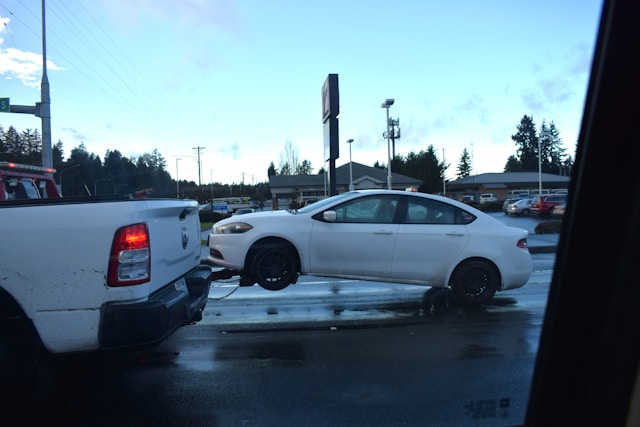
How to File an Auto Insurance Claim Step-by-Step
Step 1: Ensure Safety and Check for Injuries
Always safeguarding yourself will be your primary issue. You ought to pull your car out of the traffic lines, seek injuries, and in case there are injuries in any way, then call in the emergency services. Keep cool, and examine the gravely injured individuals; do not move them until attended to by someone.
Step 2: Notify the Police and Gather an Accident Report
It is always advisable to call the police, regardless of the extent of the accident, when it occurs. The official report from them contains the documentation of the details, the statements given, and the reasons considered for the accident. This report enables your insurer to identify who is at fault, and it also serves as a basis for the accuracy and legitimacy of your claim.
Step 3: Document the Scene with Photos and Videos
You should take pictures of not just the cars involved, their license plates, and the place where the accident happened, but also any injuries that are seen. Besides, you should write down the weather conditions, traffic signs, and skid marks because these will come in handy for the insurer as strong visual evidence.
Step 4: Exchange Information with All Involved Parties
Get the names, telephone numbers, driving licenses, and insurance information of all persons and the registration numbers of the vehicles. Disseminate your details as well and be polite; however, avoid faulting and blaming on the scene.
Step 5: Contact Your Insurance Company Immediately
Immediately report to the insurance company. Visit their mobile application, online customer portal, or 24/ 7 helpline. They are notified in due time so that there are no delays in the claim process and there are no unnecessary hold-ups in the assessment.
Step 6: Provide Necessary Details and Documents
Prepare the documents that will be forwarded to the insurance company, such as the police report, photos, and witness statements etc. Make sure that the facts are accurate and neatly organized. Omission of full or correct information might delay or make the process of insurance claims complex.
Step 7: Work with the Insurance Adjuster During Inspection
An adjuster will be sent by your insurer to visit your place and inspect the damage to your vehicle, and will give you an estimate of the cost of repairing it. Do not resist cooperating, be honest with your answers, and provide the adjuster with any information or documents that she/he may request promptly.
Step 8: Get Repair Estimates and Approve the Settlement
It is a good idea to get repair estimates from a few different shops that you trust and then compare them to the insurer’s estimate. Take a close look at the settlement offer that has been made and make sure that it takes care of all the required repairs before you approve or sign any documents.
Step 9: Follow Up on the Claim and Track Reimbursement
Keep in touch with your insurance representative so that you will be aware of the progress. Ask when payments or repairs will be done. Once all the authorizations are through, one will have to find out if it has reimbursement or direct payments, and whether the payments have been reimbursed or made accordingly
Essential Documents Needed for Filing a Claim
These documents include:
- Registration and licensing of the car/vehicle.
- Card/policy number/insurance card number
- Police report
- Scenes and damage photographs.
- Estimates of repair (where necessary) and medical reports.
Producers should submit neat copies that are easy to understand to prevent delays in claims.
Common Mistakes to Avoid When Filing an Auto Insurance Claim
- Failure to report the accident in time.
- Oversight to gather sufficient evidence.Premature confession of sins.
- Distorting information on the claim form.
- Neglecting insurer follow-ups.

Tips to Speed Up the Auto Insurance Claim Process
- Make your claim within the same day of the accident.
- Store electronic versions of documents.
- Reacts in a fast manner to insurer questions.
- Check the app of your insurer to stay updated faster
What to Do If Your Auto Insurance Claim Is Denied
In case of a refusal of your claim, demand to receive the written clarification. You may select either of the two:
- Challenge the ruling.
- Present more documents or provide new evidence.
- Contact the insurance regulator in your state in case it is required.
Common Reasons Claims Get Delayed or Denied
The delay or denial of claims is caused either by information not being available, due to late reporting, policy exclusions, or a deficiency of supporting documents. Therefore, to avoid these kinds of challenges, it is always advisable to re-read your policy and maintain your records to date.
Conclusion
An auto insurance claim implies that you will have the possibility to receive the financial security you need when an accident or damage occurs. With all the steps taken care of during the process, well-organized records well organized, and cooperation with your insurer, you will not only make the process faster but also receive adequate compensation to cover repairs, injuries, or losses.
