

The car insurance is a form of contract between you and an insurance company, and it promises to pay you money in case of loss that may be as a result of an accident, theft, or other forms of damage. It assists in the expenses of repair, medical, and liability claims, making sure that you are covered and financially stable when driving or after some unexpected happenings on the road.
Why Auto Insurance Is Legally and Financially Important
The drivers of the vehicles are required to have at least liability insurance in virtually all states, in such a way that the victims of the accidents will not be left with no compensation.
Its absence can cost you huge fines, loss of your license, or worst of all, lawsuits, which cost you a lot in terms of savings. More importantly that insurance can cover you against the unforeseen expenses of an accident on the road, theft, or even natural disasters.
What Is Full Coverage Insurance?
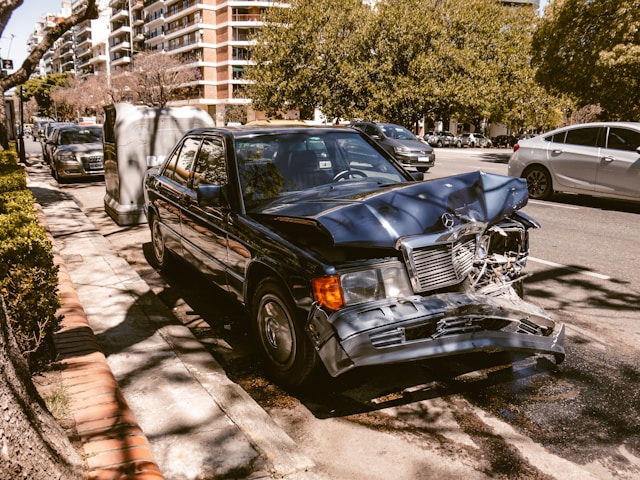
The broadest coverage insurance is the one that has the capability of combining the liability, collision, and comprehensive. It not only saves your car against destruction by another car, theft, vandalism, or acts of god, but it also spares you the financial burden of any injury or damage you inflict on other members of the road.
Key Components of Full Coverage Insurance
- Collision Coverage: Collision coverage will take care of the expenses of repair or replacement of your car in case your car is in an accident, irrespective of the reason.
- Comprehensive Coverage: Covers your car even when not in an accident, such as theft, vandalism, fire, storms, and hitting an animal, unlike other regular accidents.
- Liability Coverage: Pays the costs of other individuals’ injured or damaged property in case the accident is caused by you. The law has been mandatory in most states or regions.
Who Should Choose Full Coverage:
It should be covered in full:
- Owners of new, financed, or leased cars.
- Drivers who desire calmness against theft, weather, or animal-related accidents.
- Anybody who is not easily able to cover the expensive repairs or replacement once an accident has occurred
Pros and Cons of Full Coverage Insurance
Benefits of Choosing Full Coverage
- Breaks a broad spectrum of damages.
- Gives a feeling of security in new or financed cars.
- Perks such as roadside assistance/rental car coverage are included.
Drawbacks and When It’s Not Worth It
- Higher monthly premiums.
- Mayise above the real value of a used car.
What Is Liability Insurance?
Liability insurance pays the expenses in case you are held liable and cause injury to someone or damage to his or her property in an accident. It does not cover the cost of repairs to your car.
Who Should Choose Liability Insurance:
Liability-only coverage is commonly taken by:
- Drivers who have old or low-value cars.
- Individuals who want to satisfy state minimum requirements at a reduced price.
- The ones who can afford to repair their cars on their own, in case they break broken.
Pros:
- Lower monthly premiums.
- Fulfills legal insurance standards.
Cons:
- Does not cover your personal car.
- It may leave you paying huge out-of-pocket expenses in case of fault in a road accident.
Full Coverage vs Liability Insurance: Key Differences Explained
| Feature | Liability Insurance | Full Coverage Insurance |
| Covers Your Vehicle | ❌ No | ✅ Yes |
| Covers Other Vehicles/People | ✅ Yes | ✅ Yes |
| Covers Theft/Vandalism | ❌ No | ✅ Yes |
| Average Annual Cost | $600 – $1,200 | $1,400 – $2,500 |
| Required by Law | Yes | No |
| Best For | Older or paid-off cars | New, financed, or high-value cars |
How to Decide Which Is Right for You
The decision of full coverage or liability is dependent on several key factors that influence your financial comfort, the car value, and the risk protection level.
1. Your Car’s Value
When the retail price of your vehicle is less than the total coverage expenses, then liability-only insurance is worth consideration since it does not make much sense to pay high-value premiums and have a small car.
2. Your Financial Situation
Should the need to repair or replace your vehicle in the event of an accident be a strain on your budget, then full coverage provides more financial security and comfort in case your vehicle is damaged or lost without any warning.
3. Loan or Lease Requirements
In case you finance or lease a car, most lenders or leasing companies insist on full coverage insurance till the balance has been paid in full, so that their investment does not go to waste through their losses.
4. Your Driving Habits and Environment
The full coverage provides much more protection in case you usually drive a car in traffic jams, park in places where it is very easy to be robbed or vandalized, or in regions where extreme weather conditions occur quite often.

Common Myths About Full Coverage vs Liability Insurance
Myth 1: Full Coverage Means “Everything Is Covered”
Full coverage does not cover wear and tear, mechanical failure, or uninsured drivers unless they are purchased as optional coverage.
Myth 2: Liability Insurance Is Always the Cheapest Option
Liability insurance may be cheaper in the short run, but be more expensive in the long run in case you are involved in numerous accidents or cause extensive damage.
Tips to Save Money on Auto Insurance
- Combine auto and home insurance.
- Increase your deductible.
- Use ga ood driver or student discounts.
- Review your policy annually.
- Get estimates with various insurers (use the Auto Insurance Guide by NerdWallet)
Conclusion
The decision that you need to make between full coverage and liability coverage will be based on the value of your car, your financial capabilities, and your driving habits. Full coverage provides more coverage to newer vehicles or those that are financed, whereas liability covers older vehicles. The appropriate option is a balance between cost and the desired degree of security on the road.
